


What is an inloader pallet?
Anyone dealing with the transportation of precast concrete or timber parts for the first time will soon come across a term: inloader pallet. But what is behind it? Why do you need them – and why is the right choice so crucial for safety and efficiency? This article explains the basics in a clear and practical way.
Definition:
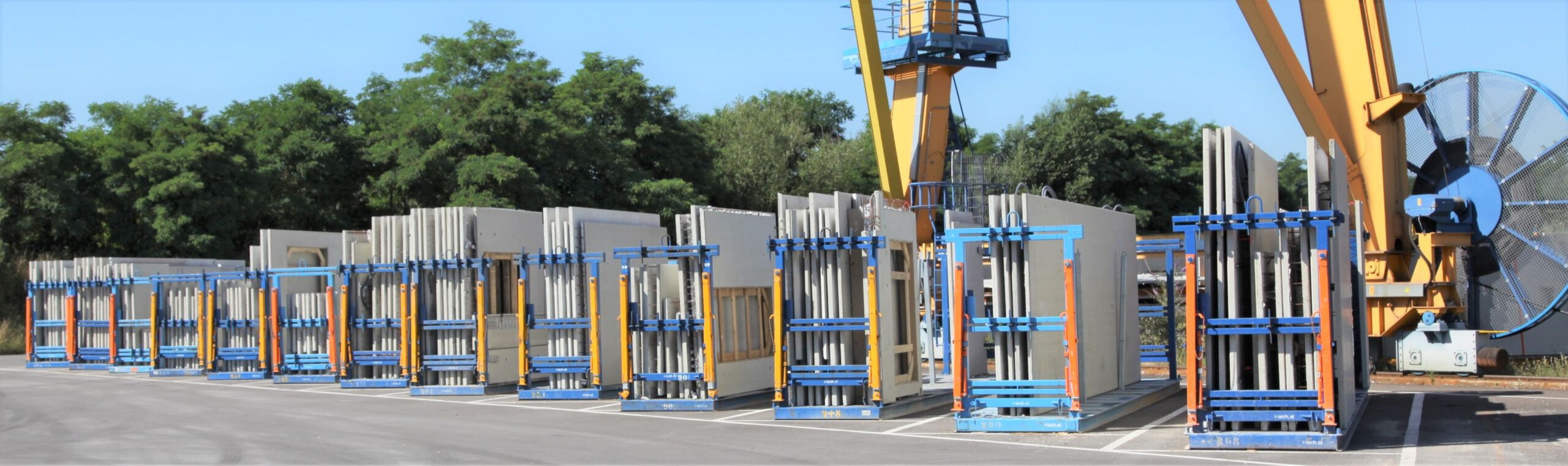
An inloader pallet (ILP for short) is a specially designed steel transport frame that is used to transport and store large-sized building elements – such as precast concrete parts or timber frame elements – in an upright position. The name is derived from the loading method: The frame is picked up from the rear or side by an articulated truck loader.
In contrast to conventional flat pallets, the transported goods are upright on the inloader pallet. This not only saves space with concrete or wooden walls and ceiling elements, but is often technically necessary – because many prefabricated parts are so large and heavy that they simply could not be transported safely lying down.
Where are inloader pallets used?
Internal loader pallets are used wherever finished parts are delivered directly from the factory to the construction site. Typical areas of application are
Design and functional principle
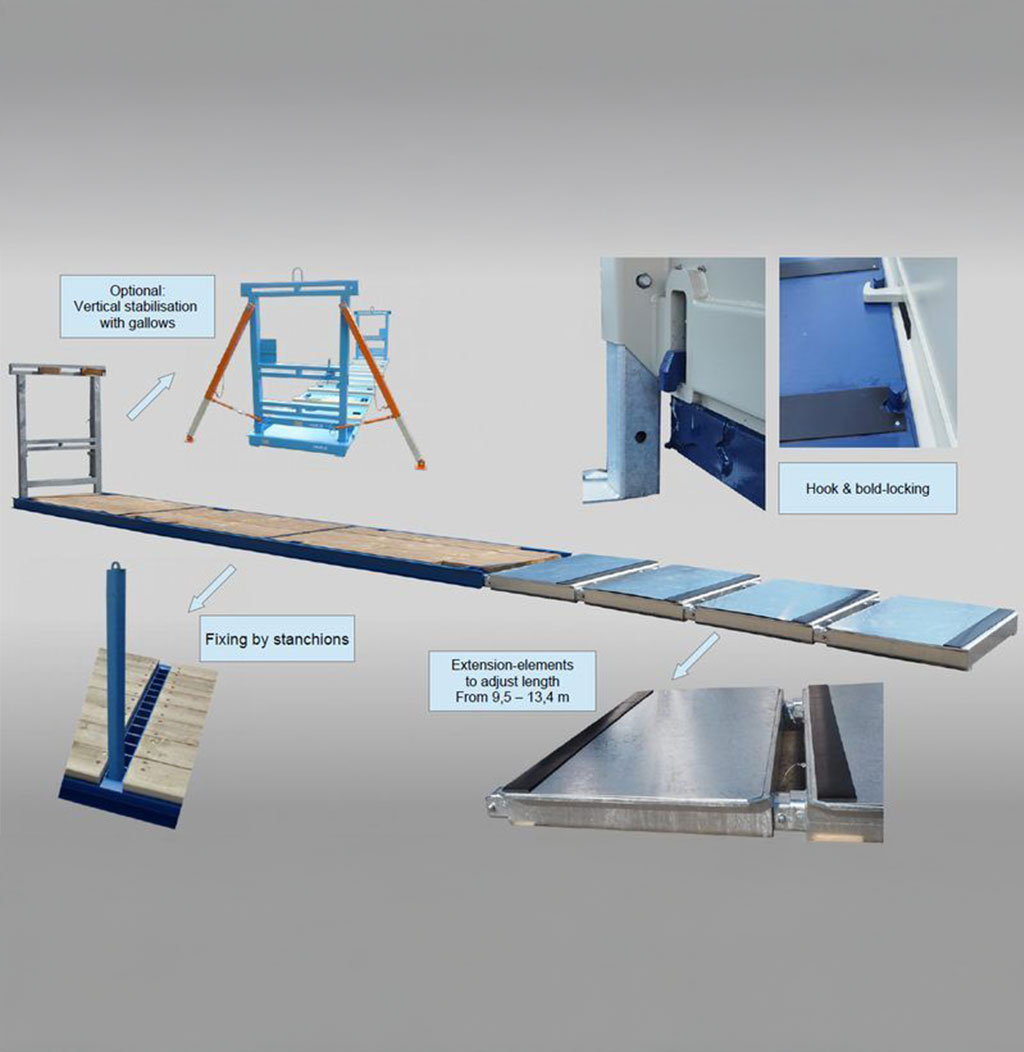
A typical inloader pallet consists of a sturdy steel frame with integrated support elements and securing systems. The most important components at a glance:
Base frame
The base frame gives the pallet its shape and stability. It is made of high-strength steel and is dimensioned to withstand even the heaviest loads – often several tons. At R-TECH, all frames are tested according to our own test procedures, which go beyond the minimum legal requirements.
Support system
An integrated support system provides the necessary stability – both during transportation and storage on the construction site. This detail is crucial: concrete walls are usually several meters high and have a very narrow depth base. Without a stable support system, tipping due to gusts of wind or uneven ground would be a real danger.
Safety elements
The prefabricated parts are secured in the pallet with securing elements – designed as a securing sword or securing pin at R-TECH. These are provided with a plastic coating to prevent direct metal-concrete contact. This protects the surface of the precast elements from damage during transportation and saves subsequent costs.
Inloader pallet vs. swap body – what’s the difference?
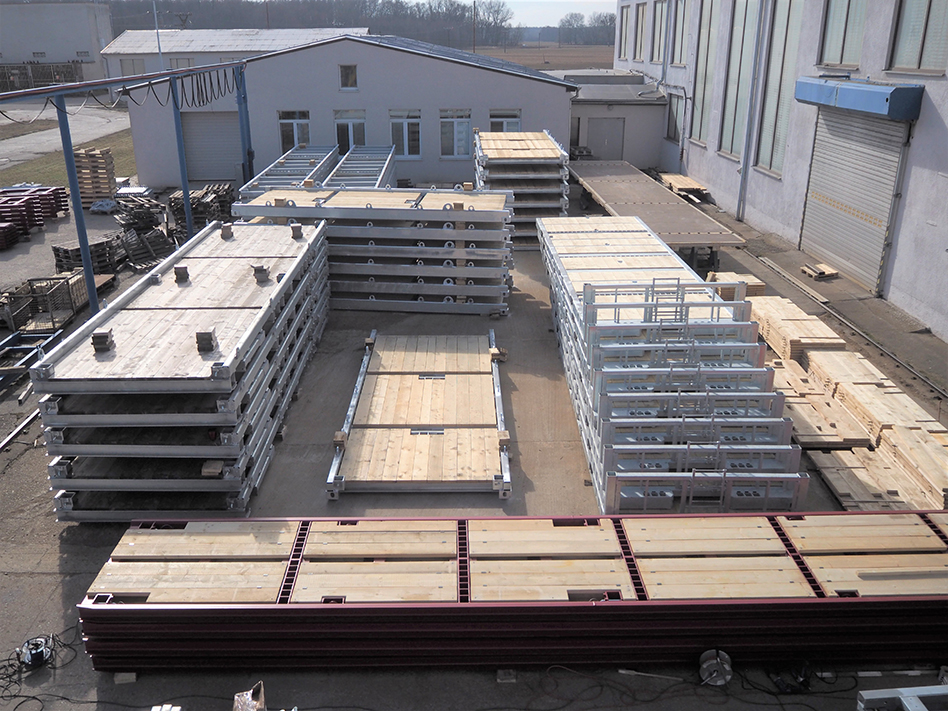
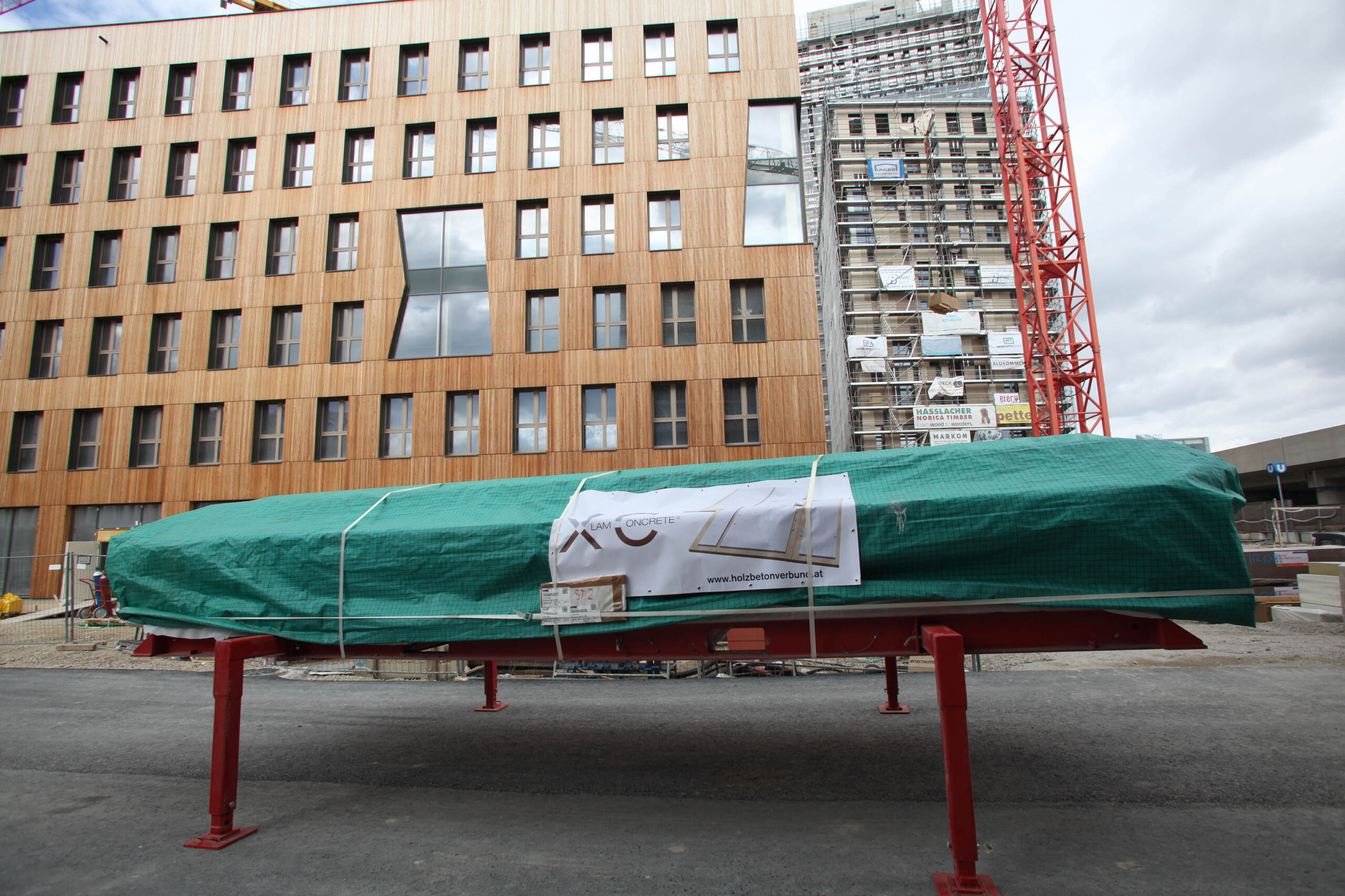
In addition to the inloader pallet, there is also the so-called swap body (also known as a swap-body platform or set-down pallet). The main difference lies in the transport vehicles required.
Internal loader pallets:
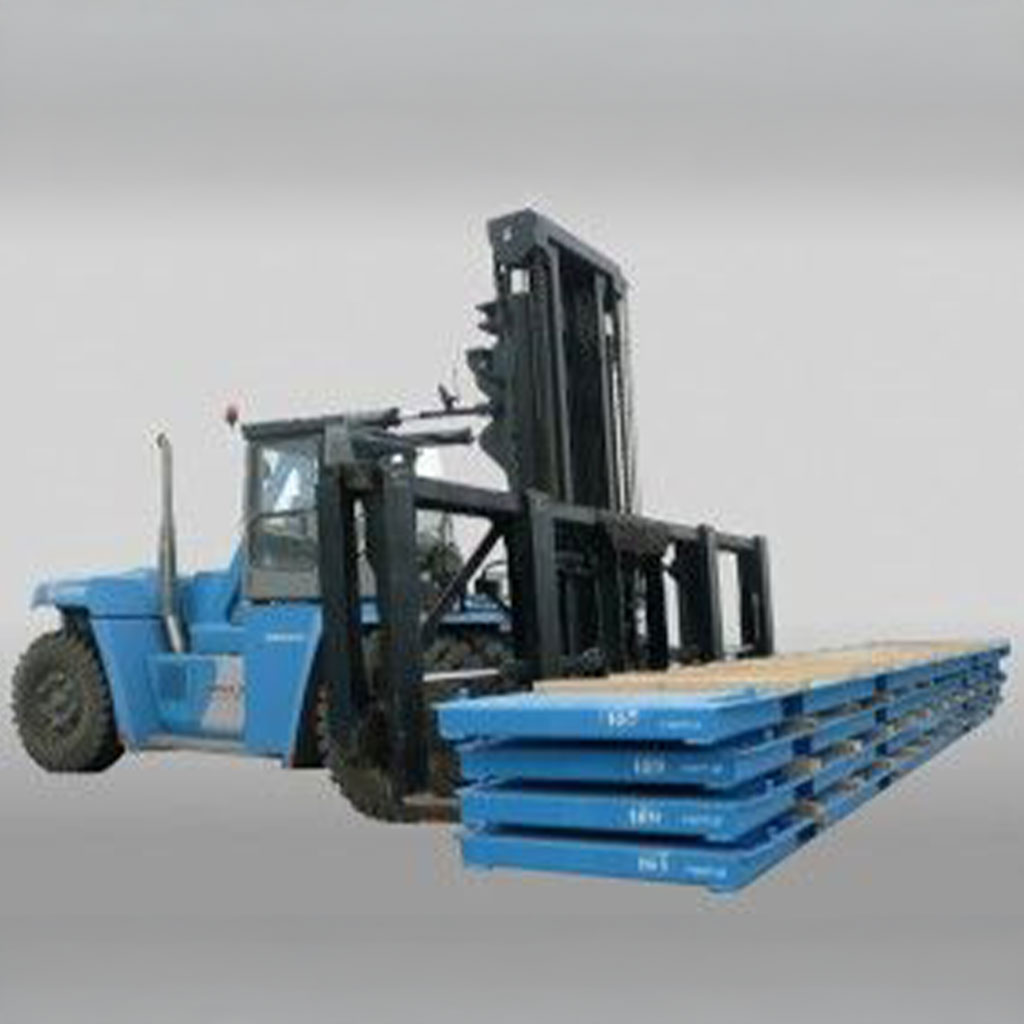
A special transport vehicle with an open floor – an inloader vehicle – is required for inloader pallets. These are equipped without a support floor and the inloader pallet is the interchangeable transport surface for these vehicles. The loading width is limited to approx. 1.5 m.
Swap bodies:
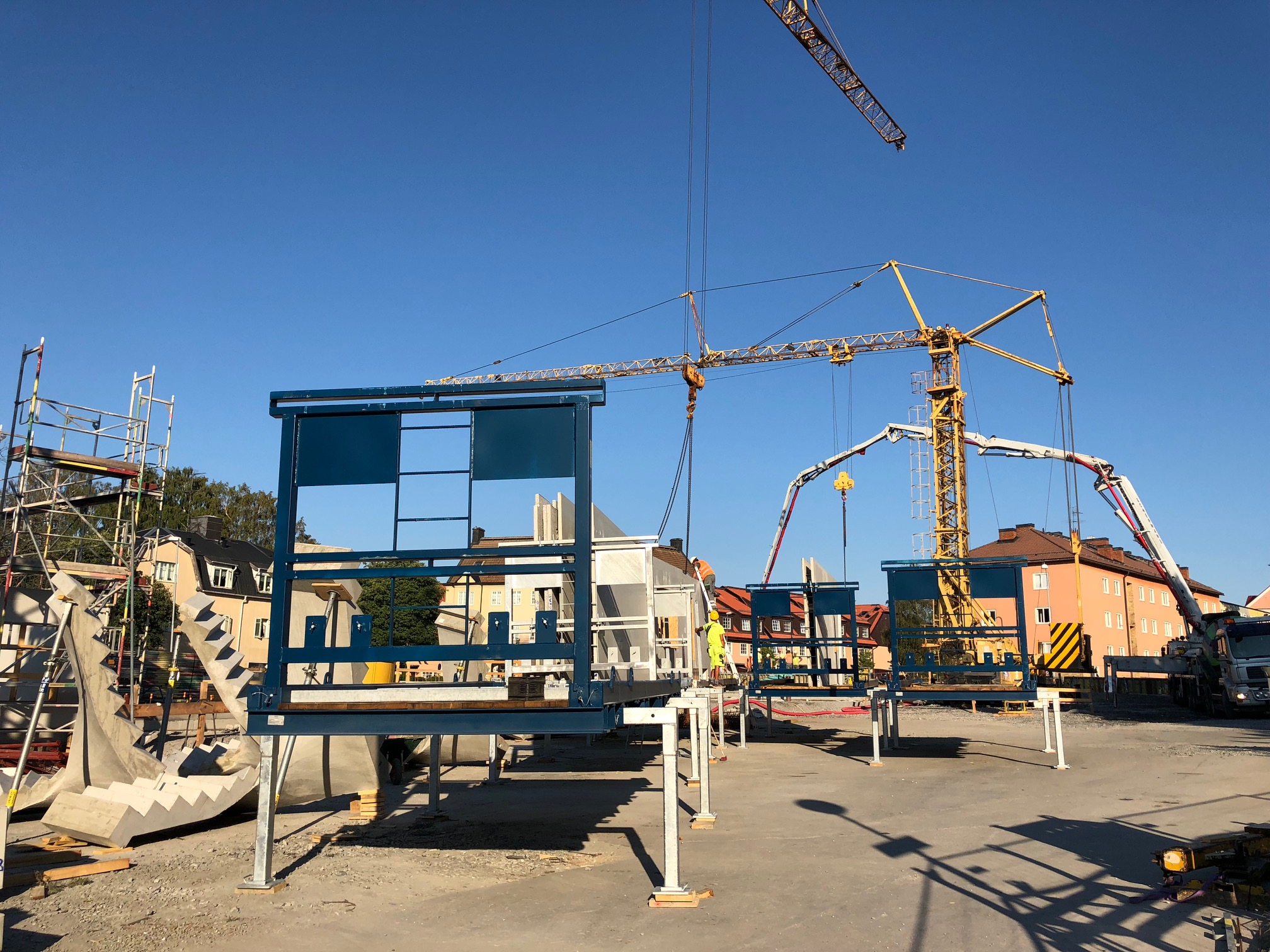
The swap bodies can be transported with any open platform trailer equipped with air suspension for lifting and lowering. The construction width of 2,550 mm can also be overloaded sideways without mechanical restrictions.
Both systems are not only means of transportation but also efficient storage systems.
Which system is the right one depends on the company, construction site situation and logistics concept. R-TECH offers both solutions – and provides individual advice.
What should you look out for when buying?
Not all inloader pallets are the same. You should check the following points when making a comparison:
Conclusion
The inloader pallet is at the heart of safe and efficient precast logistics. Those who rely on proven, tested quality here reduce transport damage, increase safety on the construction site and save costs in the long term. R-TECH has been developing and producing inloader pallets for over 30 years – with experience that you can see and feel.

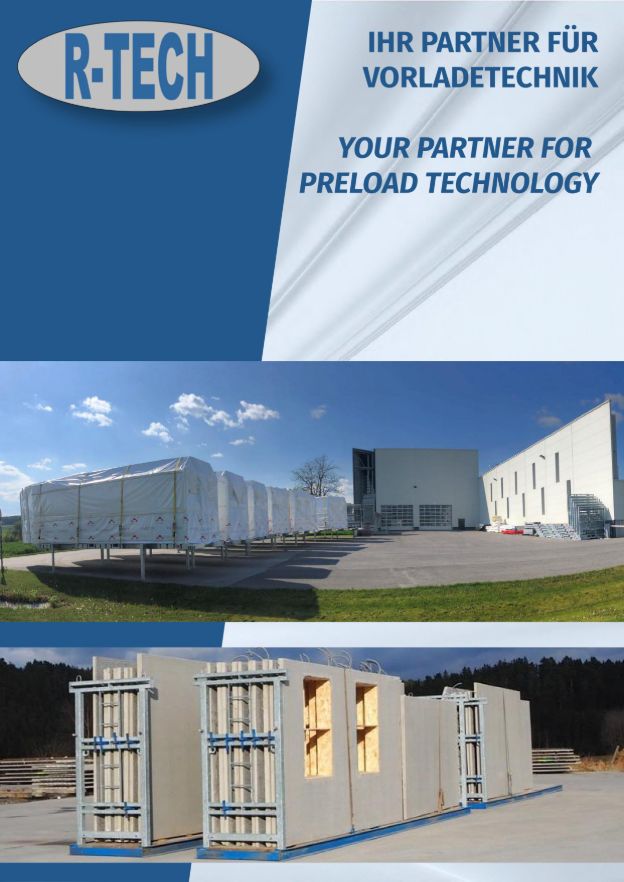
The R-TECH catalog: Benchmarks in load carrier technology
Discover highly stable transport racks for the highest demands in intralogistics in the current R-TECH catalog. Our systems , which have been tried and tested worldwide, set new safety standards for loading and transportation thanks to our in-house test procedures.
Rely on innovative engineering for your supply chain: our robust solutions guarantee maximum process reliability, optimum space utilization and long-lasting stability under the toughest conditions.